

Luštica Bay, Montenegro2023
Zuzalu
The first ever pop-up village host and an open-source decentralized CommunityOS.
What is Zuzalu?
Zuzalu was the event that marked the birth of the pop-up village movement.
It currently runs as a global network of nodes experimenting with decentralized coordination, identity, and privacy tech.
History
By 2022, Vitalik Buterin had long been thinking about topics like crypto cities and network states.
In January 2023, a four-person team started scouting locations and settled on a Montenegro resort. It expanded to eight people by February and launched Zuzalu in March - a two-month pop-up city for 200 residents.
That fall, the community ran ZuConnect Istanbul - a two-week pop-up village right before DevConnect, supported by ETHGlobal and HackZuzalu.
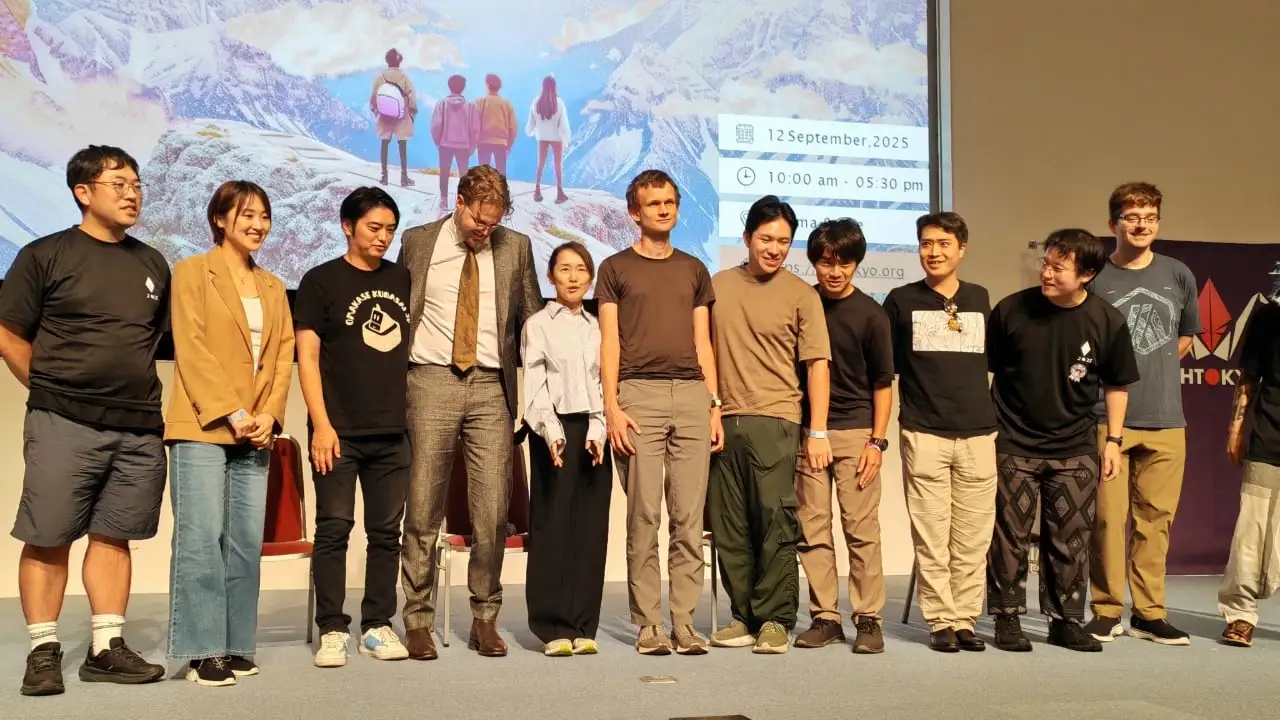
Since then, Zuzalu has expanded into decentralized Zu-villages (ZuVillage Georgia, Zu-Garden, ZuCity Japan, ZuBerlin) focused on experimental co-living.
By 2026, Zuzalu.city is a decentralized open-source operating system that connects users to Ethereum's ecosystem applications.
Location
Zuzalu Pop-up, the first pop-up village ever, was hosted in Luštica Bay, Montenegro.
Currently, Zuzalu doesn’t own a physical hub, but its branch nodes host pop-up villages worldwide:
Duration
Zuzalu Pop-up ran for 2 months, from March to May 2023.
Zu’s decentralized communities organize pop-up cities that last 10 days up to 2 months:
Zuitzerland v0.1
1/9/2024 - 10/9/2024
ZuAfrique 1.0
15/4/2025 - 5/5/2025
Zuzalu Montenegro
25/3/2023 - 25/5/2023
Pricing
- Zuzalu Pop-up Montenegro
- $100/week for breakfast, co-working space, and access to events.
Food was estimated at an extra $50/day.
Payments were made via crypto. Students and others needing financial support could apply for a subsidy.
Zuzalu Montenegro was invitation-based. Core organizers invited ~15 residents each, and each resident could invite 2 guests. Some participants were selected via application.
Amenities
- Daily breakfast.
- Co-working spaces.
- Conference and workshop venues.
- Community events and social programming.
- Pools.
- Beach access.
- Gym.
Accommodation was not included.
Programming
Zuzalu focused on three core themes:
- Cryptography & Privacy. ZK proofs, programmable cryptography, privacy-preserving tech.
- Longevity & Biotech. DeSci, longevity research, biotech innovation (co-organized with VitaDAO).
- Governance & Coordination. Network states, decentralized governance, public goods.
Programming included talks, workshops, hackathons, and unconferences led by participants.
Reviews
“ One thing the organizers got really right was breakfast. ” Brooke Bowman, Founder at Vibecamp
One thing the organizers got really right was breakfast - for four hours every day, you knew you could go to the same spot and run into other Zuzalans generally open to sharing their tables.
“ To me, Zuzalu felt very much like the early days of Ethereum. ” Shuyao Kong, Co-founder at MegaETH
But to me, Zuzalu felt very much like the early days of Ethereum: raw and undefined - yet full of optimism and excitement about the future.
“ Zuzalu was the first popup network state. ” Balaji Srinivasan, Founder at Network School
Zuzalu was the first popup network state. It was a prototype, but already an incredible success. Finally, we are reopening the frontier.
How can you get involved?
- Visit zuzalu.city to explore upcoming Zu-village events and community tools.
- Join upcoming Zu pop-up villages through individual event pages.
- Follow Zuzalu on X for updates on software and events.
Zuzalu is decentralized - there's no single "Zuzalu" event anymore. Instead, independent organizers run Zu-villages worldwide using shared tools and ethos.
FAQs
What is the goal of Zuzalu?
To create a world where every community can innovate their civilization with the tools they need.
What is Zuzalu now?
Zuzalu has evolved from a single pop-up event into a decentralized network of independent Zu-villages worldwide. Zuzalu.city provides open-source tools (Zupass, Legacy Registry) to support those nodes.
Who founded Zuzalu?
Vitalik Buterin initiated and primarily funded the first Zuzalu in Montenegro (2023), with VitaDAO co-organizing the longevity programming.
What is the meaning of the word “Zuzalu”?
Zuzalu doesn’t mean anything specific. It was made up by AI.
Who attends Zuzalu events?
Longevity researchers, cryptographers, AI researchers, entrepreneurs, Network State enthusiasts, and builders primarily from the Ethereum ecosystem.
How expensive was Zuzalu Montenegro?
The original Zuzalu charged $100/week for access to event programming. Currently, pricing varies for each Zu-village.
Is Zuzalu still running?
The original Zuzalu format has decentralized into an ecosystem of independent Zu-villages worldwide. There's no single central "Zuzalu" event anymore.
What is Zupass?
Zupass is an open-source digital identity tool built by Zuzalu developers, enabling ZK-proof-based event ticketing and credential verification.